
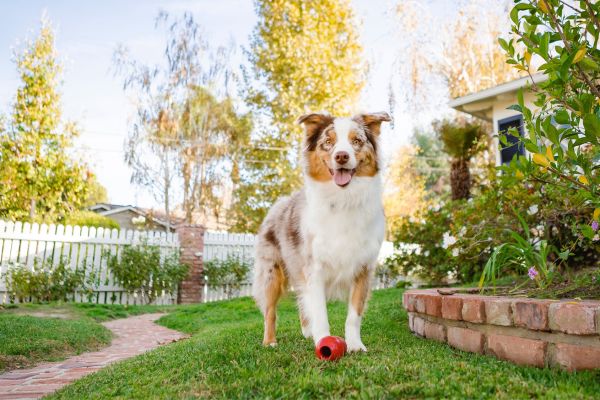
Your backyard should be a space where both you and your pets can enjoy the outdoors. While digging and marking are natural behaviours for dogs and cats, there are practical ways to protect your garden and keep everyone happy.
Sharing Outdoor Spaces With Pets
We share our homes, including our outdoor spaces, with our animal companions. At times, our pets have a different idea of what constitutes acceptable behaviour than we do.
Two of the more common problems that face property owners include how to cope with pets that dig and how to minimize the damage from pets that relieve themselves on the lawn or bushes. Both of these activities are natural in most pets, and thus are very difficult to eliminate. Therefore, we have to come up with compromises that will please both the pet and property owner.
How To Manage Digging
Using Barriers
One relatively effective way of curtailing digging in flowerbeds is to lay chicken wire or a similar product just below the surface of newly dug flower or vegetable beds. The plants will be able to come up through the holes, but the pet will not enjoy getting its or her paws stuck in the wire. The material can be covered with a light layer of concealing mulch for aesthetics.
Creating A Pet-Friendly Digging Area
Another solution is to provide your pet with a more appealing area in which to dig. Creative solutions such as providing a doggy sandbox are often successful, especially if toys and other treats are buried at various depths in the sand. Sandbox sand is the ideal material to use for this purpose since it drains rapidly after a rainfall.
If you set up a doggy sandbox, you will need to show your pet that it is okay to dig in this spot, while teaching him or her that it is not acceptable to dig elsewhere. Please call or email us if you would like specific and individualized advice about how to do this.
How To Deter Cats From Flowerbeds
Cats that insist on using flowerbeds as outdoor litter boxes may also be deterred by the use of chicken wire, or may adapt readily to their own outdoor sandbox. Pet repellents may or may not be helpful, and some of them can be harmful to pets. If you choose to try a pet repellent product, make sure you read the label carefully.
How To Manage Lawn Damage
Why Brown Spots Appear
Brown spots on lawns may appear where pets urinate frequently. Although urine is very concentrated, a single “deposit” usually doesn’t destroy grass or leaves. However, dogs often prefer to urinate in the same general area, and passing dogs will usually mark the same spots with their urine, signalling their visit to the resident dog.
Reducing Lawn Damage
To minimize damage to the lawn, “spot watering” on a frequent basis will dilute the urine and may be helpful. Edible products that purport to change the pH of pet urine do not tend to produce consistent results.
Training For Long-Term Success
If you have a new dog, your best solution is to train him or her to eliminate in one specific place on the property. With patience and a little effort, you and your pets should be able to share the yard together.